A View from the Pew


Stillness In The Midst Of The Storm


Have you noticed the spring bulbs, the blossoms, the baby lambs? Or have you
found yourself too distracted by the headlines – those stories dominated by leaders
who demand that all attention be relentlessly fixed on them?
We live in days when the ground feels unsteady. Nations rage, alliances fracture,
trust erodes. Wars and conflicts tear at the fabric of nations. As a result, both globally
and locally, people carry a quiet heaviness – anxiety, fatigue and the shared sorrow
of a broken humanity.
Psalm 46 begins, “God is our refuge and strength, an ever-present help in trouble.”
It’s a striking declaration. God is not our refuge and strength after the troubles have
passed, but now, in the very midst of turmoil.
That ever-present help can take many forms, of course. Yet the story of faith insists
that goodness, mercy and peace will ultimately prevail – that a time will come when
there is no more suffering, no more tears, no more brokenness. It may feel a long
way off, but the final word does not belong to war, conflict or hatred.
Later in the psalm, verse 10 offers a familiar invitation: “Be still and know that I am
God.”
Notice the order. The knowing comes after the being still. Contemplation, meditation,
mindfulness, prayer – these are essential practices, especially in times of trauma,
upheaval and disruption. Being still and recognising the presence of God helps
prevent us from spiralling into despair.
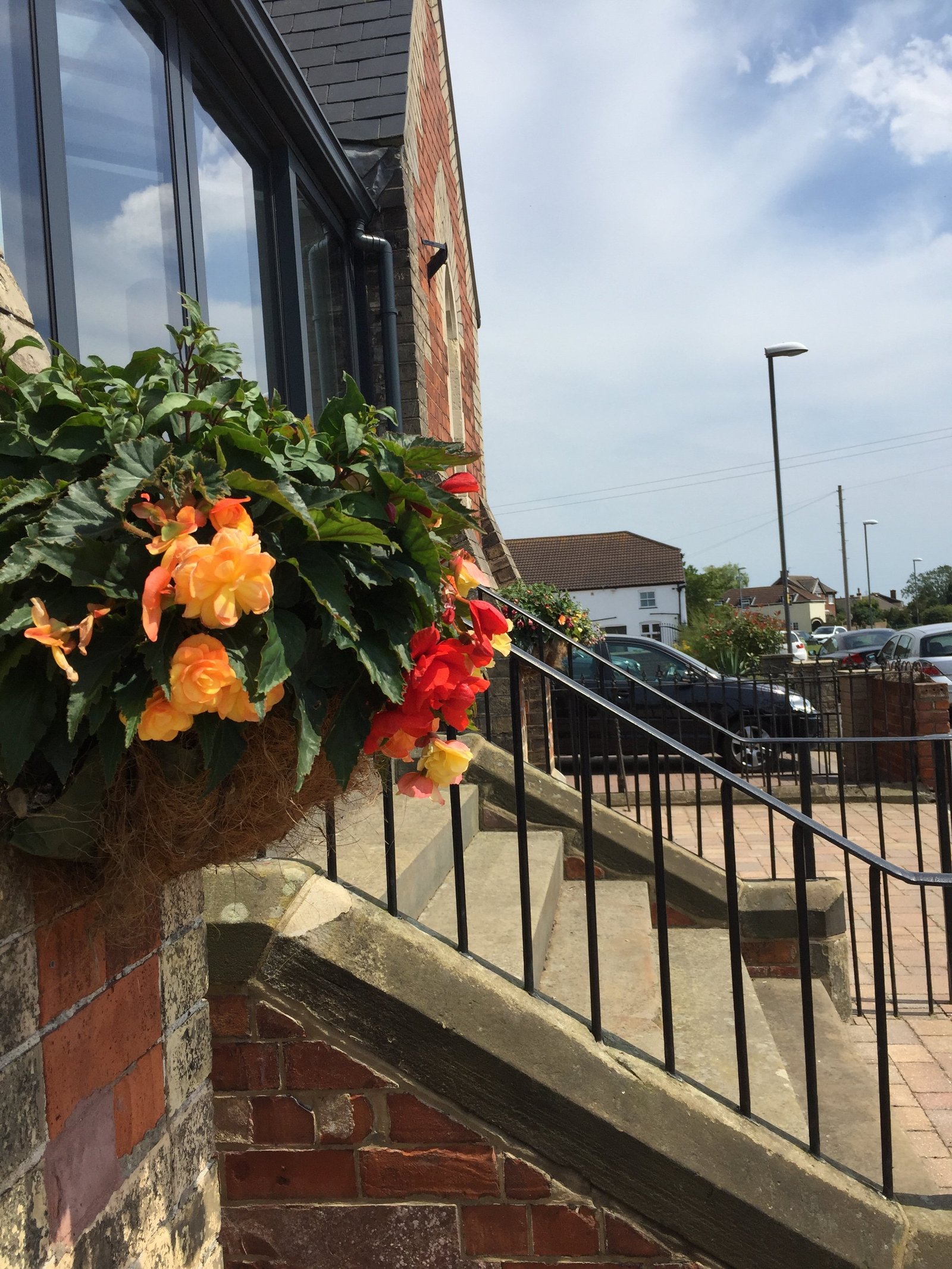
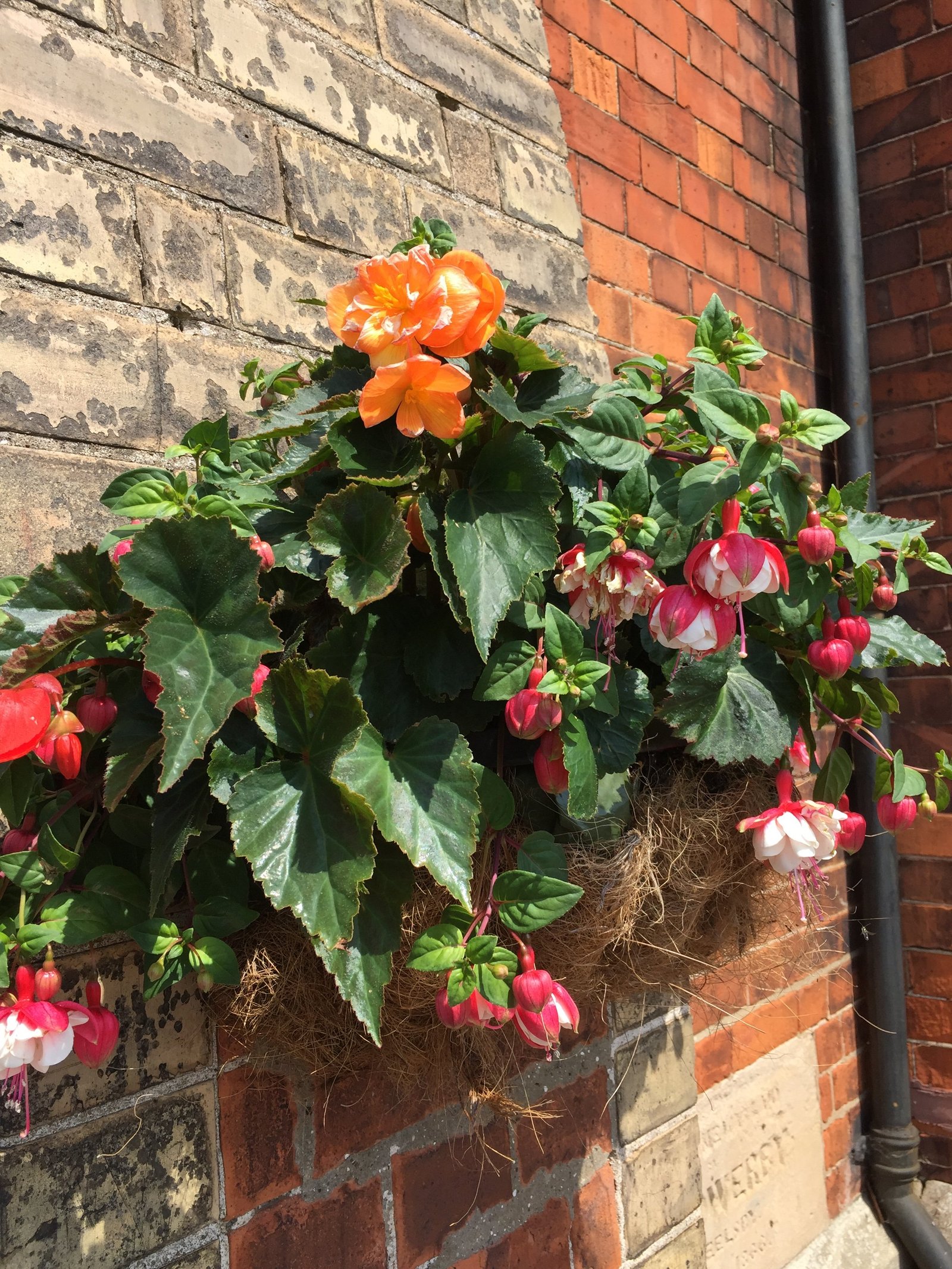
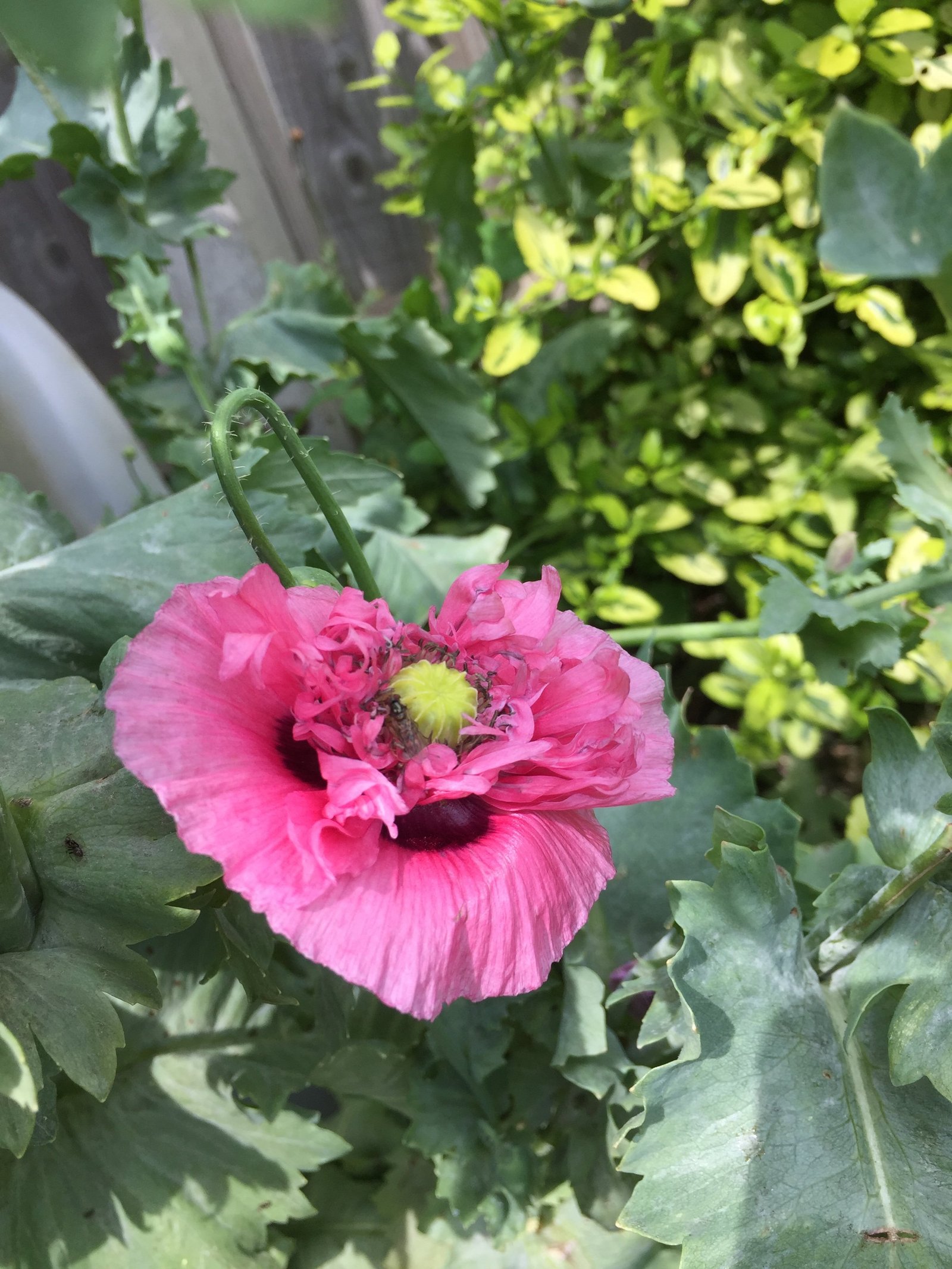
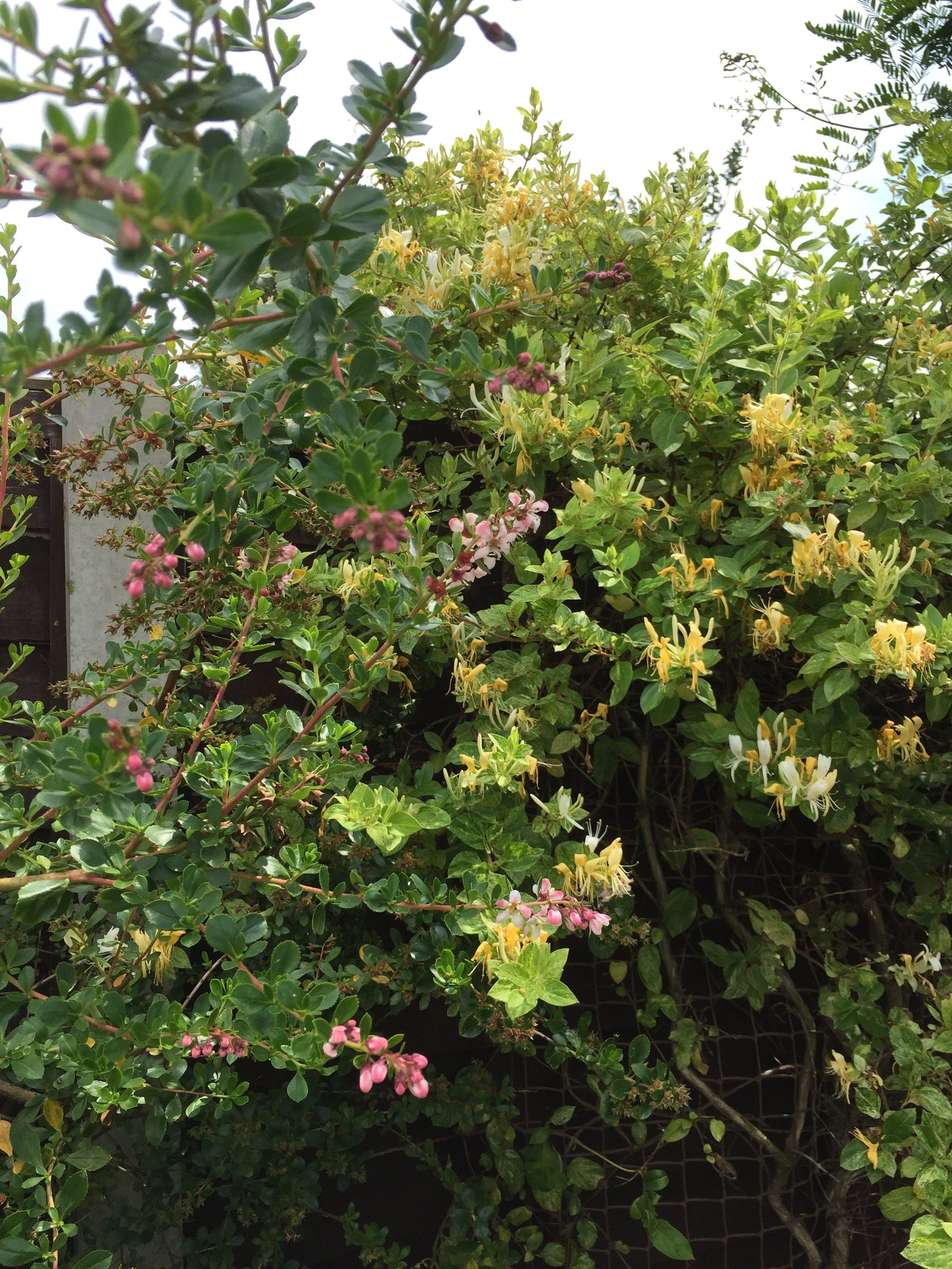
So, notice the spring flowers, the lambs, the blossom.
Pause. Breathe. Reflect. Discern.
These practices may not change the world stage, but change begins with you and
me – and being still and knowing is a good place to start.

Every blessing,

Andrew Gadd